Club concept & business foundations
Connect the proposed service offer and nautical activities with feasibility work, commercial development and the wider destination concept.
BUILD THE CLUB AROUND ITS PURPOSE
Develop yacht clubs, sailing schools and nautical centres through a coherent concept, service offer and operating model.
THE DECISION BEHIND THE SCOPE
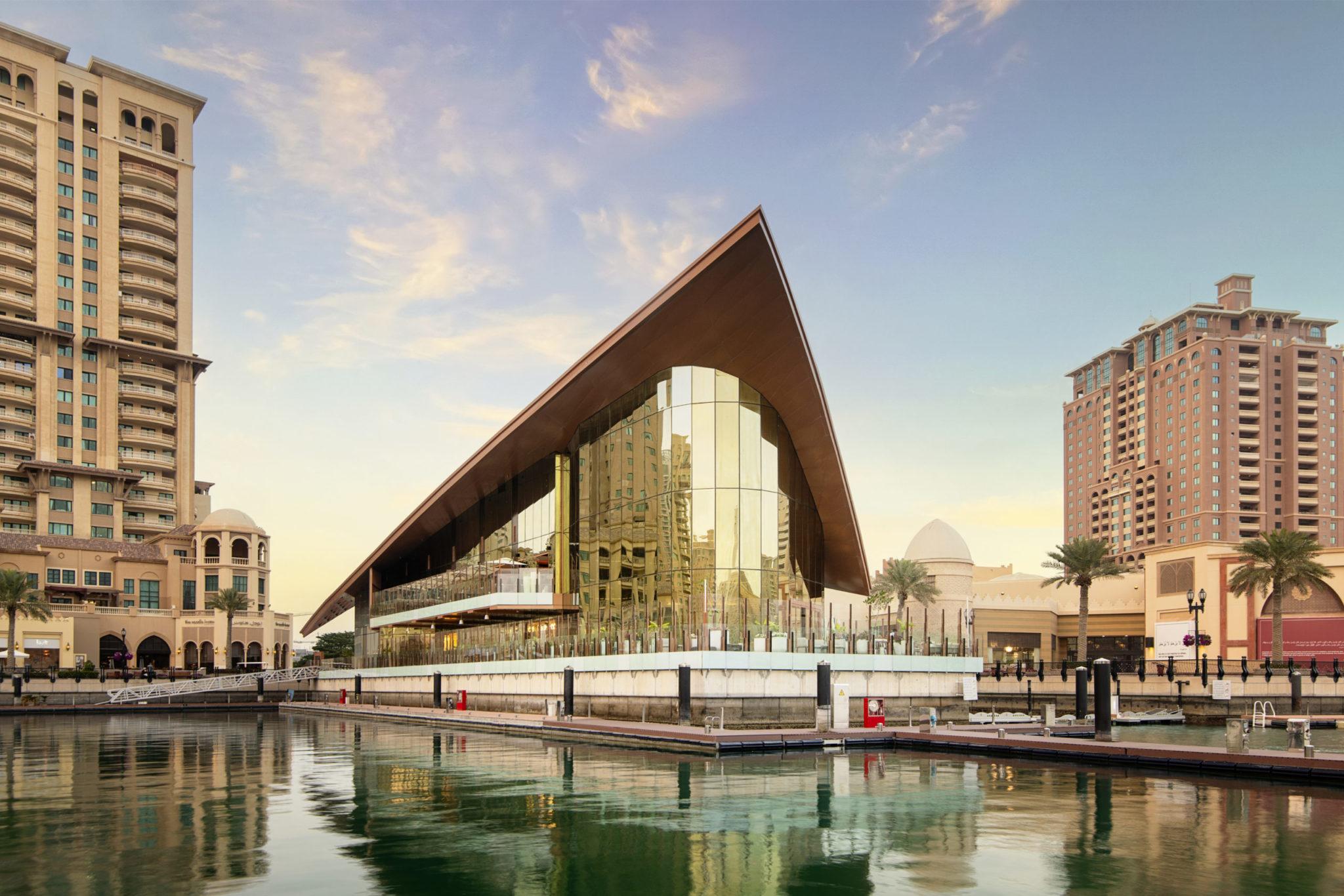
A distinctive building needs a clear operating purpose. The services, team, nautical programme and business model must support the club’s identity and its place within the destination.
Discuss this scopeWHAT THE WORK COVERS
Connect the proposed service offer and nautical activities with feasibility work, commercial development and the wider destination concept.
Define the service blueprint, staffing and training requirements, operating procedures and activation plan.
Assess relevant S3 requirements and, where appropriate, support the compliance analysis and financial study for a La Belle Classe Destinations application.
METHOD & DELIVERABLES
Develop the yacht club as a social, sporting and operating organisation. Connect its membership proposition and sailing academy with the spaces, people, procedures and partnerships that bring the destination to life. Design, commercial planning and operational preparation progress together.
Explore the workstreams and typical outputs below. The deliverables and review milestones are agreed around your priorities, available information and project stage.
Define the club’s role within the destination and the community it should serve. Examine the balance between members, residents, yacht owners, families and visitors. Compare relevant clubs and waterfront destinations to identify useful lessons for the concept, service model and nautical identity.
Shape membership categories, access rights and guest principles around a clear member proposition. Map the journey from enquiry and application to onboarding, reservations, feedback and renewal. Develop sporting, social, family and cultural activities, coordinating destination events with member priorities and operating capacity.
Structure junior, adult, recreational and racing pathways around local demand, water conditions and the club’s purpose. Define fleet and equipment needs, instructor and supervisory roles, launching, storage, maintenance and briefing spaces. Identify safety competencies and accredited qualifications to be delivered by appropriately qualified providers.
Give the design team early operating requirements, then refine the room programme and adjacencies as membership and sailing activities develop. Review arrival, hospitality, wellness, sporting spaces, waterside access and staff and supplier flows. Where agreed, support architect selection and review key design stages; professional design responsibility remains with the appointed designers.
Connect the club and academy programmes with revenue streams, cost drivers and transparent operating assumptions. Define owner oversight, management authority, sporting responsibilities and member representation where relevant. Translate the model into management functions, key role profiles and staffing and mobilisation priorities.
Translate the service proposition into policies, standard operating procedures and departmental responsibilities. Address membership administration, reception, reservations, academy activities, events and service recovery. Define the requirements for member management, booking and communications tools, with software implementation assigned to the appointed specialist providers.
Develop brand and communication briefs, member acquisition and retention principles, and participation pathways for the academy. Connect regattas, previews and club events with relevant local partners, schools and hospitality organisations. Establish a launch roadmap and performance indicators with the marketing team; campaign execution and event production can be scoped separately.
Coordinate people, procedures, facilities and systems in a practical readiness plan. Identify training needs by role and test member journeys through procedure walk-throughs and operational rehearsals. Transfer knowledge to managers and track corrective actions. Dedicated staff training and support during the initial operating period are defined to suit the retained scope.
Integrate applicable S3 requirements into development reviews and build an evidence and action plan before formal assessment. Define relevant international club relationships and readiness for external recognition as the organisation matures. Certification depends on demonstrated compliance; any La Belle Classe Destinations application follows the separate Yacht Club de Monaco eligibility and approval process.
AN ACTIVE NAUTICAL OFFER
Develop the sailing school or nautical centre alongside the club: its programme, fleet and facilities, team and operating model. Explore how these elements come together in a dedicated advisory scope.
Explore sailing schools & nautical centresWHO THIS SUPPORTS
Yes. M3 supports both development and operation, including service improvement, recruitment and training, marketing, events and periodic assessment.
Yes. The advisory scope can address the programme, fleet and facility needs, staffing, service procedures and business model, either within a yacht club or for a standalone centre.
The label belongs to the Yacht Club de Monaco. M3 supports preparation and application work; admission to the network remains a YCM decision.
CONNECTED EXPERTISE
Connect commissioning, handover, staffing and service preparation so the operating team has a clear basis for opening.
Explore this scopeUse the M3 Monaco Smart & Sustainable Standard to examine practices, structure evidence and establish an improvement roadmap.
Explore this scopeConnect marinas, retail, wellness, longevity and beach clubs through waterfront destination planning, commercial strategy and operating models.
Explore this scopeLET’S BUILD WHAT COMES NEXT
Start with your priorities, the evidence available and the decisions ahead.